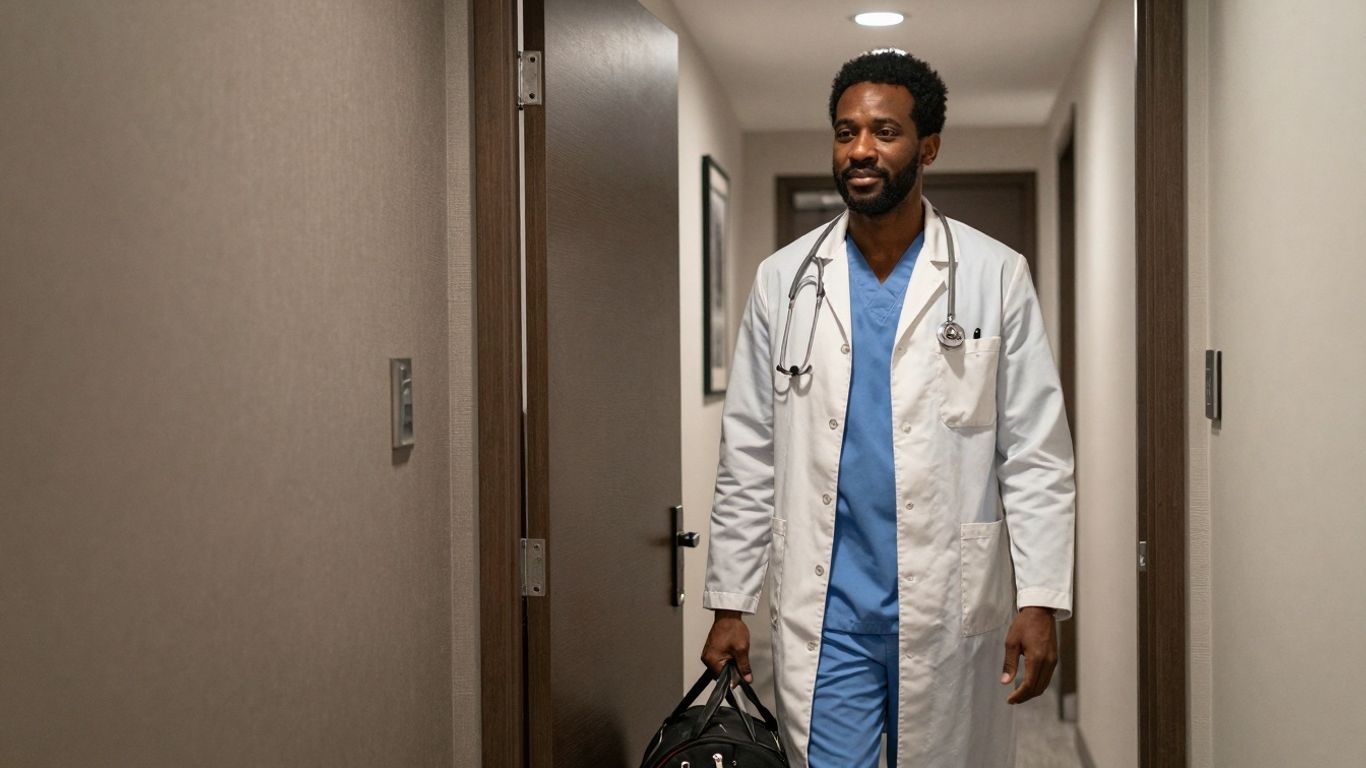
Planning a trip and need to see a doctor while you’re away? Whether it’s a planned visit or an unexpected need, keeping your health in mind is super important. This guide is all about doctor hotel visit safety guidelines, so you can focus on enjoying your travels without worrying too much about getting sick or injured. We’ll cover how to prepare before you even leave and what to do once you’re at your destination.
Key Takeaways
- Talk to your doctor before you travel about any shots you might need or medicines you should bring.
- Pack a small first-aid kit with things like pain relievers, bandages, and hand sanitizer.
- Know how you’ll get around safely and be careful about what you eat and drink.
- Look up nearby clinics or hospitals before you go, just in case.
- After your visit, pay attention to how you feel and see a doctor if anything still feels off.
Preparing For Your Hotel Doctor Visit
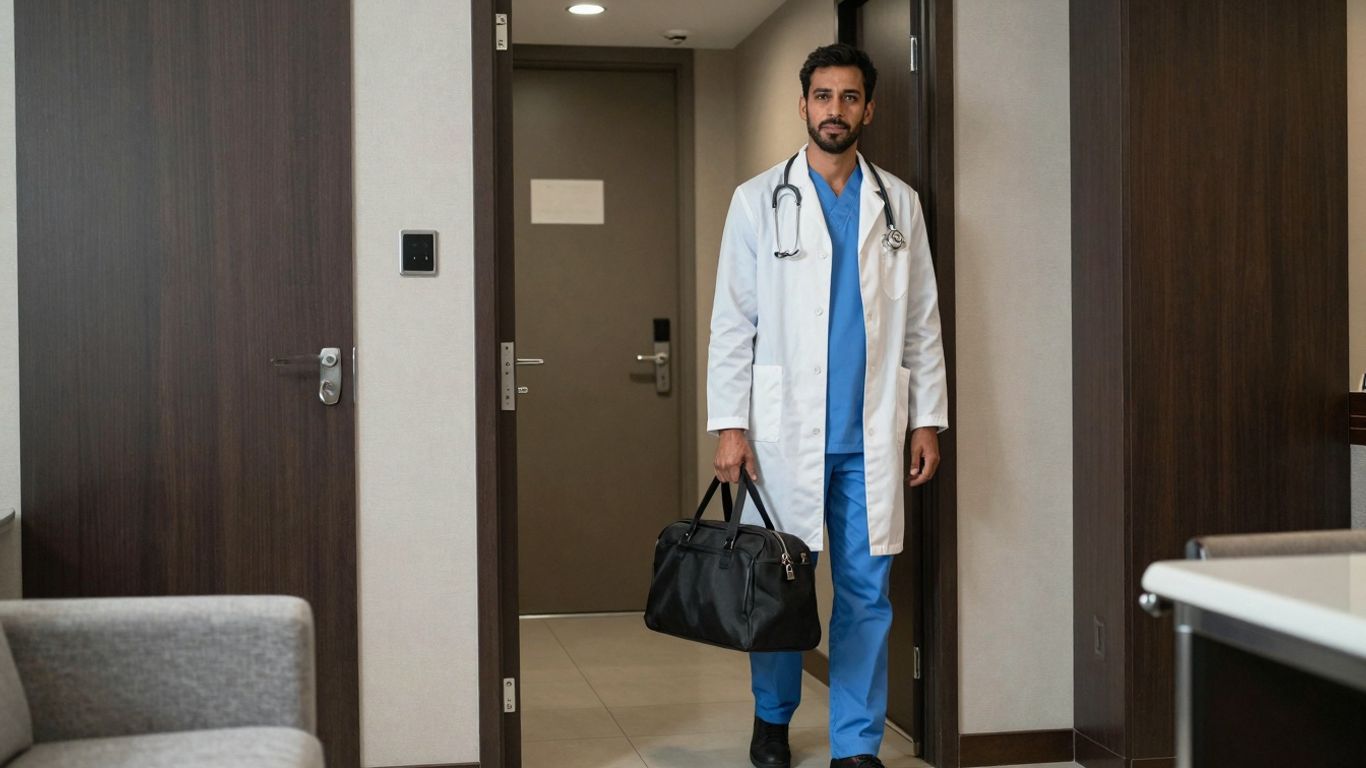
Getting ready for a trip is exciting, but it’s also a good time to think about your health, especially if you might need to see a doctor while you’re away. Thinking ahead can save you a lot of hassle and worry.
Consult Your Healthcare Provider Before Travel
Before you even book your flight, it’s a smart move to chat with your regular doctor. They know your medical history and can give you advice tailored to where you’re going. They can tell you if there are any specific health risks at your destination and what you should do to stay safe. It’s also a good time to discuss any existing health conditions you have and how travel might affect them. This chat can help you plan your trip with more confidence.
Obtain Necessary Vaccinations and Medications
Depending on where you’re headed, you might need some vaccinations. Your doctor can tell you which ones are recommended or even required for your destination. It’s best to get these done at least a month before you leave, as some vaccines need time to become effective. Also, if you take any prescription medications, make sure you have enough to last your entire trip, plus a little extra. It can be tough to get refills in a foreign country, so being prepared is key. Don’t forget to ask your doctor for a copy of your prescriptions, just in case.
Pack A Comprehensive Travel Health Kit
Putting together a travel health kit is like having a mini-clinic in your bag. You’ll want to include things like pain relievers, bandages, antiseptic wipes, and any personal medications. Think about common travel issues too – maybe some motion sickness remedies or medication for upset stomachs. Hand sanitizer is a must, especially when you can’t get to a sink. Sunscreen and insect repellent are also good additions, depending on your destination. Having these basics handy means you can deal with minor issues quickly without needing to find a pharmacy.
Understand Your Health Insurance Coverage Abroad
This is a big one. Don’t assume your regular health insurance will cover you everywhere. Many plans have limitations when you’re outside your home country. Look into your policy before you go. Does it cover emergency care? What about medical evacuation if you need to be moved to a different facility or even back home? You might need to purchase a travel insurance policy that specifically covers medical needs abroad. Knowing this upfront can prevent unexpected and hefty medical bills. You can often find services that offer hotel visit medical care if you need a doctor without leaving your room.
Ensuring Safety During Your Stay
Once you’ve settled into your hotel, keeping yourself safe is still a top priority. It’s easy to get caught up in the excitement of a new place, but a few simple habits can make a big difference.
Choose Safe Transportation Options
Getting around your new location is part of the adventure, but it’s also where some risks can pop up. Always buckle up, no matter how short the ride. Car accidents are a real concern for travelers, so make sure everyone in the vehicle is secured. If you’re using taxis or ride-sharing services, try to stick with reputable companies. Be extra careful when crossing streets, especially if the driving side is different from what you’re used to. It’s a good idea to get a feel for the local traffic patterns before you venture out on foot too much.
Practice Vigilant Hand Hygiene
This one might sound basic, but it’s incredibly effective. Germs are everywhere, and they don’t take vacations. Washing your hands often with soap and water is your best defense against picking up bugs. If soap and water aren’t handy, keep a small bottle of hand sanitizer with at least 60% alcohol in your bag. Use it after touching public surfaces, before eating, and after using the restroom. It’s a simple step that really cuts down on your chances of getting sick.
Be Aware Of Local Health Risks
Every destination has its own set of potential health concerns. Before you even leave, do a quick search for any specific health advisories for the area you’re visiting. This could include things like air quality issues, local diseases spread by insects, or even specific types of bacteria common in the water. Knowing what to look out for helps you take the right precautions. For instance, if there’s a risk of mosquito-borne illnesses, you’ll know to pack extra repellent and wear long sleeves when possible.
Select Food And Drinks Wisely
Food poisoning can really ruin a trip. When you’re eating out, look for busy places where food turnover is high. Generally, food that’s served piping hot is a safer bet. Be cautious with raw fruits and vegetables unless you can peel them yourself. For drinks, stick to bottled water, canned beverages, or hot drinks. Avoid tap water unless you know it’s been treated or purified. It’s better to be a little picky than to spend your vacation feeling unwell.
Staying healthy while traveling often comes down to being mindful of your surroundings and adopting good habits. Don’t let the fear of getting sick stop you from enjoying your trip, but do take sensible steps to protect yourself.
Navigating Medical Needs On The Go

Sometimes, even with the best planning, you might need to see a doctor while you’re away from home. It’s not ideal, but knowing what to do can make a big difference. Don’t panic if you feel unwell; there are steps you can take to get the care you need.
Locate Nearby Medical Facilities
Before you even leave, it’s a good idea to do a little research. Look up the addresses and contact information for hospitals, clinics, and pharmacies in the area where you’ll be staying. You can often find this information on your hotel’s website, through a quick online search, or by asking the concierge. Having this list handy means you won’t be scrambling if a medical issue pops up.
- Hospitals: For serious emergencies, this is where you’ll need to go. Make sure you know the closest one to your accommodation.
- Walk-in Clinics: These are great for less urgent issues, like a bad cold, a minor injury, or a rash. They usually don’t require appointments.
- Pharmacies: Beyond just picking up prescriptions, many pharmacies have staff who can offer advice on over-the-counter remedies for common ailments. They’re also a good place to find basic first-aid supplies.
Understand Prescription Regulations
Bringing your own medications is one thing, but what if you need a refill or a new prescription while traveling? It’s important to know that prescription rules can vary a lot from place to place. A prescription written in your home country might not be valid in another.
- Check Local Laws: Research if there are any special rules about bringing prescription drugs into the country you’re visiting. Some medications might be restricted or even illegal.
- Doctor’s Note: If you’re carrying prescription medication, it’s wise to have a copy of your prescription and a note from your doctor explaining what the medication is for.
- New Prescriptions: If you need to see a local doctor for a prescription, be prepared to explain your medical history and current needs. They may need to examine you before issuing a new prescription.
Seek Immediate Care When Necessary
When it comes to your health, it’s always better to be safe than sorry. If you experience a sudden, severe symptom or injury, don’t hesitate to seek medical attention right away. Waiting could make things worse.
Trust your instincts. If something feels seriously wrong, don’t try to tough it out. Getting prompt medical help is the most important thing you can do for your well-being.
- Emergency Services: Know the local emergency number (like 911 in the US and Canada). Use it for life-threatening situations.
- Urgent Care: For issues that aren’t life-threatening but still need prompt attention, a walk-in clinic or urgent care center is usually the best bet.
- Hospital ER: If your condition is severe and potentially life-threatening, head to the nearest hospital emergency room.
Protecting Your Well-being In A New Environment
When you’re in a new place, it’s easy to get caught up in the excitement and forget about staying safe. But being aware of your surroundings and taking a few simple precautions can make a big difference in your trip. It’s all about being smart and prepared.
Guard Against Insect Bites
Bugs aren’t just annoying; they can carry diseases like Zika, dengue, or malaria, depending on where you are. Using insect repellent is your first line of defense. Look for products with DEET, picaridin, or oil of lemon eucalyptus. It’s also a good idea to wear long sleeves and pants, especially during dawn and dusk when mosquitoes are most active. Check your accommodation for screens on windows and doors, and if you’re in a malaria-risk area, talk to your doctor about preventative medication before you even leave. You can find more information on travel health risks.
Stay Sun Safe
Don’t let a sunburn ruin your vacation. Even on cloudy days, the sun’s rays can be strong. Always apply sunscreen with an SPF of 15 or higher, and reapply it every couple of hours, especially after swimming or sweating. Remember to wear a hat and sunglasses, too. High altitudes and being near the equator mean you need extra protection. It’s not just for the beach; you can get burned anywhere.
Exercise Caution Around Animals
While cute, local animals, whether they’re pets or wildlife, can pose a risk. Bites and scratches can lead to infections, and some animals carry diseases like rabies. It’s best to admire them from a distance and avoid direct contact. If you do get bitten or scratched, clean the wound immediately and seek medical attention.
Prioritize Water Activity Safety
Water can be fun, but it also has its dangers. Drowning is a serious risk, especially in places where emergency services might not be readily available. Always follow local safety guidelines for swimming, boating, or any other water activities. If you’re unsure about the conditions, like strong currents or tides, it’s better to be safe than sorry. Check local advisories before you jump in.
Post-Visit Health Considerations
So, you’ve had your doctor visit while traveling and hopefully, you’re feeling better. But the journey doesn’t quite end there. It’s really important to keep an eye on how you’re doing once you’re back to your routine or even just settled in your hotel room.
Monitor For Any Lingering Symptoms
Even if you felt okay after seeing the doctor, pay attention to your body. Sometimes, symptoms can take a little while to show up or might change. Keep a mental note, or even jot down, any changes you notice. This could be anything from a persistent cough to unusual fatigue. Don’t brush off subtle changes; they could be important.
Consult A Doctor If You Feel Unwell
If you start feeling off, or if your original symptoms come back or get worse, don’t hesitate to reach out to a healthcare professional. This could be your regular doctor back home or a local clinic if you’re still traveling. It’s better to be safe than sorry, especially when dealing with health issues in unfamiliar surroundings.
Report Any Travel-Related Illnesses
If you suspect your illness is connected to your travels, especially if it’s something contagious, it’s a good idea to let your doctor know. This information can be really helpful for public health tracking and can prevent further spread. They might ask specific questions about where you went and what you did, so having some notes can be useful.
Safe Travels Ahead
So, there you have it. Traveling can be a fantastic experience, but it’s always smart to keep your health and safety in mind. By taking a few simple steps before you go, like packing a basic first-aid kit and checking in with your doctor, and being mindful of your surroundings while you’re away – think safe food, clean water, and avoiding bug bites – you can really reduce the chances of things going wrong. Remember, a little preparation goes a long way in making sure your trip is enjoyable and worry-free. Stay safe out there!
Frequently Asked Questions
What should I pack in my travel health kit?
It’s smart to pack a health kit with things you might need, especially items that are hard to find where you’re going. Include your prescription and over-the-counter medicines (enough for your whole trip plus a little extra), a basic first-aid kit, bug spray, sunscreen (SPF 15 or higher), aloe vera, hand sanitizer with at least 60% alcohol, and your health insurance card. Don’t forget any special medicines your doctor tells you to bring.
How can I stay safe when traveling to a new place?
Before you go, check for any health risks in your destination. Once you’re there, always use safe ways to get around, like wearing seatbelts. Wash your hands often with soap and water or use hand sanitizer. Be careful about what you eat and drink – stick to hot, cooked foods and sealed drinks. Also, be aware of local health concerns like insect-borne diseases.
What if I get sick or injured while traveling?
If you have a minor issue that a basic first-aid kit or over-the-counter medicine can handle, you can manage it yourself. However, if you or someone you’re with gets hurt or sick and it’s more serious, find medical help right away. Know where the nearest clinics or hospitals are before you need them.
How can I protect myself from bugs and the sun?
To avoid bug bites, which can spread diseases, use insect repellent, especially during warmer months. Wear long sleeves and pants when possible. Protect your skin from the sun by applying sunscreen with SPF 15 or higher, even on cloudy days. Try to stay out of the sun between 10 AM and 4 PM, when the sun’s rays are strongest.
Do I need travel insurance?
Yes, travel insurance is highly recommended. Many regular health insurance plans don’t cover you when you’re out of the country. Travel insurance can help pay for medical emergencies, hospital stays, and even getting you home if you’re seriously ill. It’s a good idea to get it before your trip.
What should I do after my trip if I feel unwell?
If you start feeling sick after you return home, especially if you have a fever, see a doctor. Be sure to tell them where you traveled. This helps them figure out if your illness is related to your trip and how to treat it properly.
Related topic
Doctor Hotel Visit Insurance Coverage: What You Need to Know Before You Book
Understanding the Cost of Doctor Hotel Visits in Patong: What You Need to Know
Hotel Doctor Versus Clinic Visit: Which is Right for Your Medical Needs?
Navigating Patong: Your Guide to Choosing a Hotel Doctor Service
Discover the Benefits of Hotel Doctor Visits in Patong for Travelers
Ensuring Comfort and Safety: The Rise of the Hotel Doctor for Elderly Guests