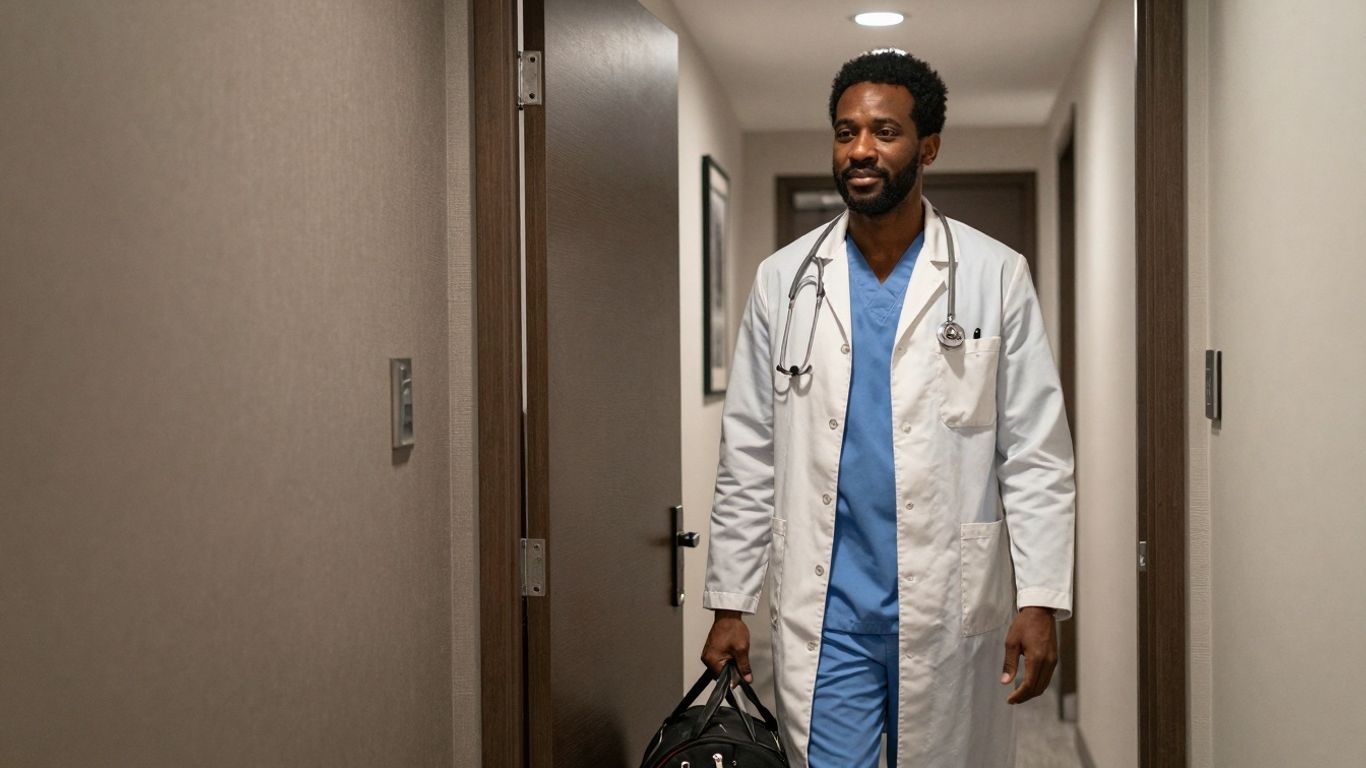
Traveling can be a blast, but sometimes, especially for older folks, it comes with its own set of worries. What if someone gets sick far from home? It’s a valid concern, and hotels are starting to get it. That’s why the idea of a hotel doctor for elderly guests is popping up more and more. It’s all about making sure everyone can enjoy their trip without health being a major stressor, bringing peace of mind to both the travelers and their families.
Key Takeaways
- A hotel doctor for elderly guests offers immediate medical help right where they’re staying, which is super convenient.
- This service is great for managing ongoing health issues and can even help prevent bigger problems.
- Having a doctor come to the room means more comfort and less chance of picking up hospital germs.
- New tech like video calls and remote monitoring makes hotel healthcare even better and easier.
- Having a hotel doctor can make traveling less stressful for older guests and their families, and might even help tourism.
The Growing Need for On-Site Medical Support
Addressing Health Concerns for Elderly Travelers
Traveling can be a wonderful experience, especially for older adults who have more time to explore. But let’s be real, it also comes with its own set of worries when it comes to health. For seniors, being away from their familiar doctors and routines can be a bit unsettling. They might have ongoing health issues that need regular attention, or perhaps they’re just more prone to unexpected sniffles or falls. The thought of getting sick or injured in an unfamiliar place is a big concern for many elderly travelers and their families. It’s not just about the physical discomfort; it’s also the stress of figuring out where to go, who to call, and how to communicate their needs in a new environment. This is where the idea of having medical help readily available starts to sound really good.
Recognizing When Hotel Medical Assistance Is Necessary
So, when does a minor inconvenience turn into something that needs professional medical attention? It’s not always obvious, right? A slight cough might be nothing, but if it gets worse, or if someone develops a fever, or has trouble breathing, that’s a different story. Falls are another big one for older guests; even a minor tumble can lead to serious injuries. Then there are sudden pains, allergic reactions, or flare-ups of existing conditions like diabetes or heart problems. Basically, if a guest experiences something that causes significant discomfort, pain, or worry, or if their usual self-care isn’t helping, it’s probably time to consider getting some medical help. It’s better to be safe than sorry, especially when you’re away from home.
The Benefits of Immediate Access to Care
Imagine this: you’re on vacation, trying to relax, and suddenly you don’t feel well. Instead of scrambling to find a local clinic, waiting in a waiting room, and hoping they can fit you in, what if a doctor could come to you? That’s the power of immediate access. Having medical professionals on-site or easily reachable means getting help quickly, which can make a huge difference in how well someone recovers. It reduces the stress of the situation, allows for faster diagnosis and treatment, and can even prevent minor issues from becoming major emergencies. For elderly guests, this kind of prompt attention is particularly important because their health can change rapidly. It offers a sense of security and allows them to get back to enjoying their trip much sooner.
Introducing the Hotel Doctor for Elderly Guests
Defining the Role of a Hotel Doctor
So, what exactly is a hotel doctor? Think of them as a healthcare professional who brings medical services right to your hotel room. It’s not about replacing your regular doctor back home, but rather offering immediate support when you’re away. For elderly guests, this means having someone readily available who understands their specific needs. This service is designed to bridge the gap between needing medical attention and the hassle of finding it in an unfamiliar place. They can handle a range of issues, from minor ailments to managing existing conditions, all within the comfort of your temporary residence.
Tailored Care for Senior Visitors
Elderly travelers often have unique health considerations. They might be managing chronic conditions like diabetes or heart disease, or they could be more susceptible to common travel issues like dehydration or fatigue. A hotel doctor specializing in senior care understands these nuances. They can provide:
- Medication management: Ensuring prescriptions are taken correctly and refills are handled.
- Mobility assistance advice: Offering tips for safe movement within the hotel and during excursions.
- Dietary guidance: Recommending food choices that align with specific health needs.
- Monitoring vital signs: Checking blood pressure, heart rate, and other indicators.
This personalized approach makes a big difference, allowing seniors to enjoy their trip with greater confidence and less worry about their health.
Ensuring Peace of Mind for Families
When older family members travel, their loved ones often worry about their well-being, especially if they can’t be there themselves. Knowing that a qualified medical professional is just a phone call away can be incredibly reassuring. It means that if a minor health concern arises, it can be addressed quickly and efficiently, preventing it from escalating into a bigger problem. This service offers peace of mind not just to the guest, but also to their family members who might be miles away. It’s about making sure that everyone can relax and enjoy their travels, knowing that support is readily available.
Key Services Offered by Hotel Doctors
Hotel doctors bring a range of medical help right to your room, making things easier when you’re not feeling well. They’re not just for emergencies; they can help with a lot of different health needs.
On-Demand Consultations and Treatments
When you’re feeling sick or have a minor injury while staying at a hotel, the last thing you want to do is try to find a clinic or wait in a crowded waiting room. A hotel doctor can come to you. This means you can get a check-up and treatment without leaving the comfort of your room. They can handle common issues like colds, flu, stomach bugs, minor cuts, and sprains. This immediate access to care can make a big difference in how quickly you start to feel better.
Management of Chronic Conditions
Many elderly guests travel with existing health issues, like diabetes, high blood pressure, or heart conditions. A hotel doctor can help manage these ongoing needs. They can check your vital signs, review your medications, and make adjustments if needed. This kind of support helps prevent small problems from becoming bigger ones while you’re away from home. It’s about keeping your health on track so you can enjoy your trip.
Preventative Care and Health Monitoring
Beyond treating immediate problems, hotel doctors also focus on keeping you healthy. This might include things like:
- Checking blood sugar levels for diabetics.
- Monitoring blood pressure.
- Providing advice on staying hydrated, especially in different climates.
- Offering vaccinations, like the flu shot, if available and needed.
This proactive approach helps catch potential issues early. It’s a way to ensure your trip remains safe and enjoyable.
Having a medical professional readily available in your hotel room offers a unique sense of security. It means that health concerns, whether new or ongoing, are addressed promptly and with a personal touch, reducing the stress often associated with seeking medical attention while traveling.
Advantages of In-Room Medical Care
Enhanced Comfort and Familiarity
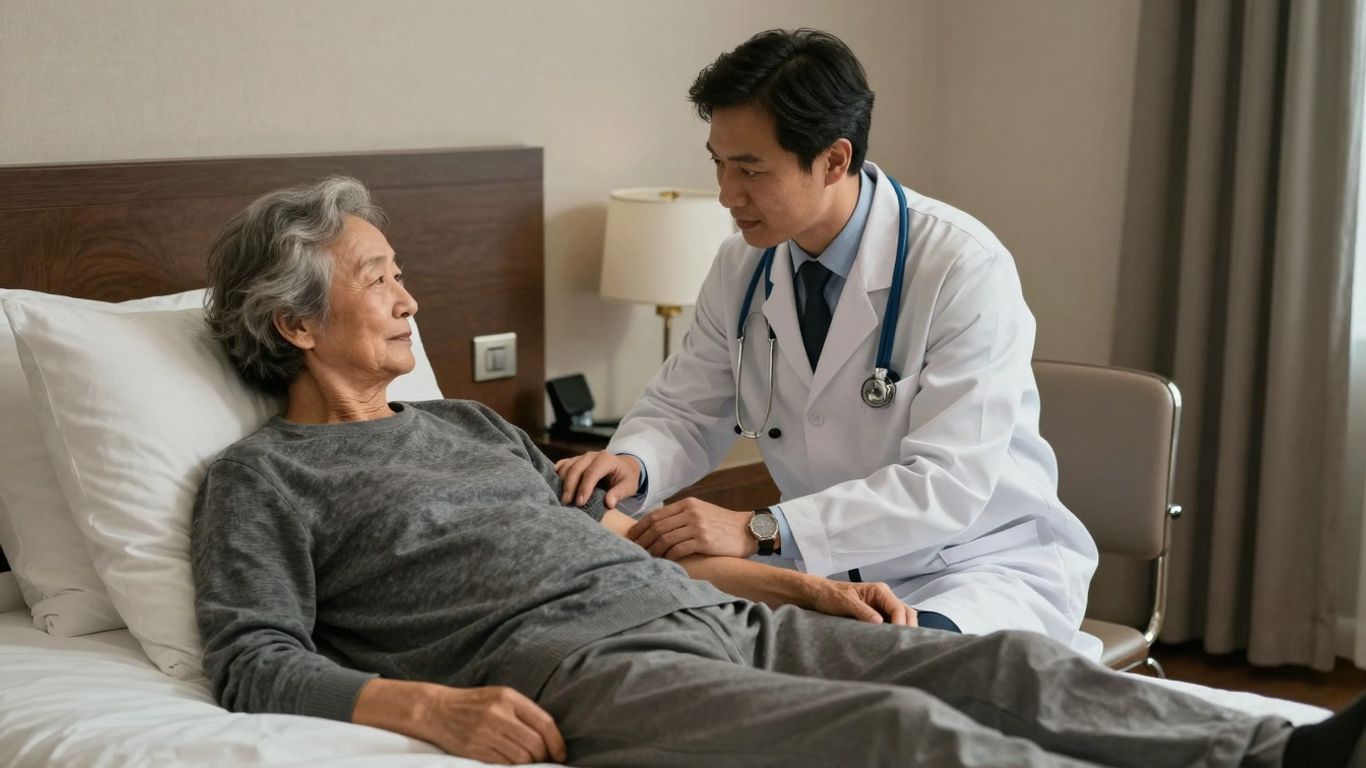
There’s something about being in your own space, right? When elderly guests are staying in a hotel, especially for an extended period or if they have health needs, the idea of being treated in their room can make a big difference. It’s not just about having a bed; it’s about being surrounded by familiar things. Your own blanket, your favorite book on the nightstand, maybe even a photo of the grandkids. This familiarity can really help reduce stress and anxiety, which, believe it or not, can actually help with healing. Feeling safe and comfortable is a huge part of feeling better. Instead of navigating a strange hospital-like environment, care is brought directly to them, making the whole experience feel much less daunting.
Reduced Risk of Hospital-Acquired Infections
Let’s be honest, hospitals can be germ factories. While they do their best, the sheer number of people coming and going, all with different health issues, means there’s always a risk of picking up something extra. For older guests, whose immune systems might not be as strong, this is a serious concern. Getting medical attention in their hotel room means they’re staying in a more controlled environment. They’re not sharing common areas with potentially sick strangers, and the medical team is focused solely on their needs. This significantly cuts down the chances of catching a secondary infection, letting their body focus on getting well.
Personalized Attention and Reduced Anxiety
When a doctor or nurse comes to your room, it’s a very different experience than being one of many patients in a busy clinic. They have the time to really focus on you, ask questions, and listen to your concerns without feeling rushed. This one-on-one attention is incredibly reassuring. It means they can tailor the care specifically to the guest’s needs and preferences. For elderly individuals, who might feel a bit vulnerable or shy about speaking up in a crowded setting, this private, personalized approach can make them feel much more at ease. It’s like having a personal health assistant dedicated just to them during their stay.
Technological Integration in Hotel Healthcare
Telemedicine for Remote Consultations
Remember when seeing a doctor meant a whole production? Now, thanks to telemedicine, you can have a doctor’s visit without even leaving your hotel room. It’s like having a virtual consultation, where a medical professional connects with you via video call. This is super handy for quick check-ins, follow-up questions, or even initial assessments. It dramatically cuts down on travel time and hassle, especially for guests who might have mobility issues or are simply not feeling up to venturing out. Think of it as your personal doctor on speed dial, ready to help when you need it. This technology has really taken off, with telehealth usage seeing a massive jump in recent years. It’s a game-changer for accessible healthcare.
Remote Patient Monitoring Devices
These aren’t just fancy gadgets; they’re like having a tiny, attentive nurse keeping an eye on you 24/7. Devices like smartwatches or specialized monitors can track your vital signs – heart rate, blood pressure, oxygen levels, and more. This information is sent directly to the medical team, allowing them to spot any potential problems early on. It’s incredibly useful for guests with chronic conditions or those recovering from an illness. They can keep tabs on your health without you needing to be physically present for constant check-ups. It’s a proactive way to manage health, giving both the guest and their family peace of mind. This kind of continuous oversight is a big step up from traditional check-ins.
Leveraging AI for Health Insights
Artificial intelligence is starting to play a bigger role too. AI can analyze the data collected from remote monitoring devices and telemedicine visits to identify patterns or predict potential health issues before they become serious. It’s like having a super-smart assistant that can sift through a lot of information quickly to flag anything concerning. This helps medical professionals make more informed decisions and tailor care plans more effectively. For instance, AI might notice a subtle change in your vital signs that indicates a developing problem, prompting an earlier intervention. It’s a sophisticated tool that adds another layer of safety and personalized care to the hotel doctor service, making medical concierge services even more effective.
The integration of technology transforms hotel healthcare from a reactive service to a proactive one. It means potential issues can be identified and addressed swiftly, often before they escalate, leading to better outcomes and a more comfortable stay for guests.
Ensuring Safety and Quality of Care
When you’re bringing medical professionals into a hotel setting, especially for vulnerable guests like the elderly, making sure everything is safe and top-notch is the absolute top priority. It’s not just about having a doctor available; it’s about knowing that the care you receive is from qualified individuals following strict procedures. This is where the vetting process and emergency protocols really shine.
Vetting and Qualifications of Medical Professionals
Before any doctor or nurse even steps foot in a hotel to see a guest, they go through a rigorous check. We’re talking about verifying their medical licenses, checking their professional history, and making sure they have specific training for geriatric care. It’s like making sure a chef has the right certifications before they cook for you – you want to know they know what they’re doing. This careful selection process is key to building trust and providing reliable care.
- License Verification: Confirming active and valid medical licenses.
- Background Checks: Ensuring a clean professional record.
- Specialized Training: Prioritizing those with experience in elder care and common travel-related ailments.
- Insurance: Confirming adequate malpractice insurance is in place.
Protocols for Emergency Situations
Things can change quickly, and having a clear plan for emergencies is non-negotiable. This means the hotel doctor isn’t just a consultant; they’re part of a system. They know exactly what to do if a guest has a serious reaction, a fall, or a sudden worsening of a chronic condition. This includes:
- Immediate assessment and stabilization of the patient.
- Clear communication channels with hotel staff for assistance.
- Established procedures for contacting local emergency services (like an ambulance) when needed.
- Having necessary emergency equipment readily accessible.
Having a well-defined emergency response plan means that even unexpected health events can be managed swiftly and effectively, minimizing distress for the guest and their family.
Maintaining Patient Privacy and Confidentiality
Just like in any medical setting, keeping a guest’s health information private is incredibly important. Hotel doctors adhere to strict privacy laws, similar to HIPAA in the United States. This means:
- All patient records are kept secure and confidential.
- Information is only shared with authorized individuals (like the patient or their designated family member).
- Discussions about a patient’s health happen in private settings.
This commitment to privacy helps guests feel secure and respected, allowing them to focus on their recovery without worry. It’s all part of providing a trustworthy and professional medical service right where you’re staying, offering peace of mind for travelers and their loved ones who can coordinate care for multiple members in a single visit if needed.
The Economic Impact of Hotel Doctor Services
Cost-Effectiveness Compared to Traditional Care
Let’s talk about the money side of things. Having a doctor come to your hotel room might sound like a luxury, but it often makes more financial sense than you’d think, especially when you compare it to the traditional route. Think about it: you avoid the costs associated with hospital stays, like room charges and the general overhead of a big facility. Hospital-at-home programs, which are similar in concept, have shown they can cut care costs significantly, sometimes by 30% or even more. This means less money spent on things like keeping massive buildings running and more on actual patient care. It’s a smarter way to manage healthcare expenses.
Reducing Healthcare System Strain
When people can get medical help right in their hotel, it takes some of the pressure off the regular healthcare system. This is a big deal, particularly in busy tourist areas or during peak seasons. Instead of elderly guests filling up emergency rooms or hospital beds for issues that can be handled on-site, they receive care where they are. This frees up hospital resources for more serious cases that truly need that level of attention. It’s a win-win: guests get faster, more convenient care, and the local hospitals can focus on their most critical patients.
Boosting Tourism for Senior Travelers
Offering hotel doctor services can really make a destination more attractive, especially for older travelers and their families. Knowing that medical support is readily available provides a huge sense of security. This peace of mind can be the deciding factor for seniors planning a trip, encouraging them to choose destinations that prioritize their well-being. It opens up travel opportunities for those who might otherwise hesitate due to health concerns. A 24/7 hotel visit medical service can be a major draw, making a place feel safer and more welcoming for everyone.
Here’s a quick look at potential savings:
| Service Type | Estimated Cost (Traditional) | Estimated Cost (Hotel Doctor) | Savings Potential |
|---|---|---|---|
| Urgent Consultation | $300 – $700 | $150 – $300 | Up to 50% |
| Minor Procedure | $500 – $1200 | $250 – $600 | Up to 50% |
| Chronic Condition Check | $200 – $500 | $100 – $250 | Up to 50% |
The shift towards in-room medical care isn’t just about comfort; it’s a practical economic strategy. By reducing the need for expensive hospital infrastructure and minimizing patient exposure to hospital-acquired issues, these services offer a more efficient and cost-effective model for healthcare delivery. This approach benefits individual travelers, hotels, and the broader healthcare economy.
The Takeaway
So, having a doctor available for hotel guests, especially older ones, just makes a lot of sense. It’s not just about having someone to call when things go wrong, though that’s a big part of it. It’s about giving people peace of mind when they’re away from home. Knowing that help is nearby, and that it’s tailored to their needs, can make a trip so much more enjoyable and less stressful. It really is a smart move for hotels looking to make their guests feel truly looked after.
Frequently Asked Questions
What exactly is a “hotel doctor” service?
A hotel doctor is a medical professional who can come to your hotel room when you’re not feeling well. Instead of you having to go to a clinic or hospital, they bring the care right to you, making it super convenient, especially when you’re traveling.
Why would an elderly guest need a doctor at their hotel?
Older guests might have health conditions that need extra attention. If they feel sick or have a problem, having a doctor come to the hotel means they can get help quickly without the stress of traveling to a doctor’s office. It’s especially helpful if they have ongoing health issues.
Is it safe to have a doctor visit me in my hotel room?
Yes, hotels that offer this service usually work with trusted medical teams. The doctors are qualified professionals who follow strict rules to make sure you get good care and your personal information stays private, just like in a regular doctor’s office.
What kind of health problems can a hotel doctor help with?
They can help with a lot of things! This includes common sicknesses like colds or the flu, minor injuries, managing ongoing health problems like diabetes or high blood pressure, and even just giving advice to keep you healthy while you’re on vacation.
How is this different from going to an emergency room?
A hotel doctor is for when you need medical help but it’s not a life-or-death emergency. It’s much more comfortable and less scary than going to an ER. You get personal attention in your own room, which can help you feel better faster and avoid catching more germs.
Can technology help when a doctor visits my hotel room?
Absolutely! Sometimes doctors can talk to you through video calls first (that’s called telemedicine). They might also use special devices that can check your health from afar. Technology helps them understand your health better and provide quicker care.
Related topic
Doctor Hotel Visit Insurance Coverage: What You Need to Know Before You Book
Understanding the Cost of Doctor Hotel Visits in Patong: What You Need to Know
Hotel Doctor Versus Clinic Visit: Which is Right for Your Medical Needs?
Navigating Patong: Your Guide to Choosing a Hotel Doctor Service
Discover the Benefits of Hotel Doctor Visits in Patong for Travelers
Doctor Hotel Visit Safety Guidelines: Ensuring Your Well-being on the Go